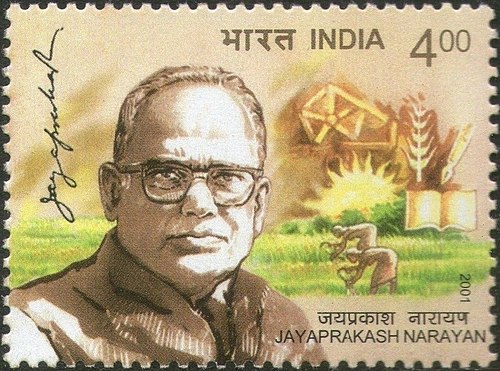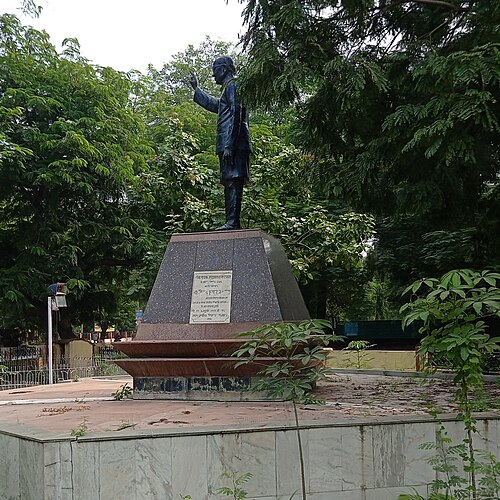

Jayaprakash Narayan : The Man Who Chose Conscience Over Power
Born on October 11, 1902, in the small village of Sitab Diara in Bihar, JP grew up in modest surroundings. His family valued learning and integrity, even when resources were scarce. From an early age, he was restless—not for success, but for meaning. Education became his path outward. In his twenties, he sailed to the United States, working as a laborer, cleaner, and factory hand to pay for his studies. Those years among workers and hardships shaped him deeply. He didn’t just study politics—he lived the life of the powerless.
When JP returned to India, the country was in turmoil under British rule. Drawn by Mahatma Gandhi’s call, he plunged into the freedom struggle. He went to prison more than once, endured suffering without complaint, and became known for his sharp intellect and fearless honesty. At first, he believed socialism could heal India’s inequalities. But over time, his thinking matured. Like Vinoba Bhave, he realized that systems alone cannot save society—values must lead.
After independence, when many of his comrades accepted positions of power, JP made a shocking choice. He stepped away from politics. No ministry. No office. No privileges. He believed that independence would lose its meaning if leaders replaced foreign rulers with Indian arrogance. Instead, he chose the harder road—working outside power, speaking truth without protection. In the 1970s, as corruption spread and democracy weakened, JP could no longer remain silent. At an age when most retire, he stood up again—this time to lead a generation. His call was simple yet radical: Sampoorna Kranti—Total Revolution. Not a violent uprising, but a transformation of politics, education, economy, and above all, human character. He urged students, workers, and citizens to reclaim democracy from fear and dishonesty.
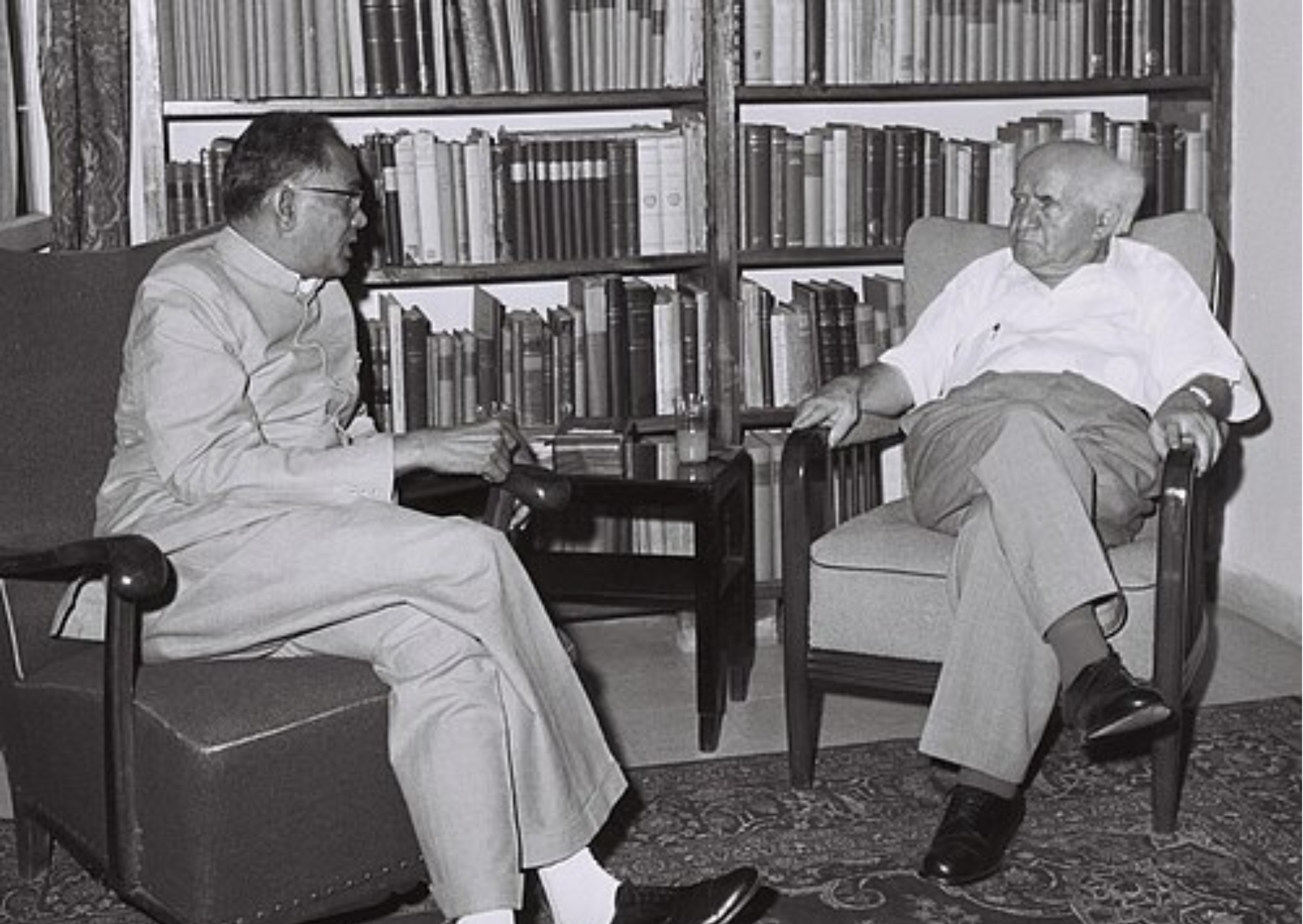
When the Emergency was imposed in 1975, JP was arrested despite his failing health. The state tried to silence him, but his imprisonment only amplified his voice. He became the conscience of the nation—a reminder that democracy survives not through laws alone, but through citizens who dare to resist injustice.
JP never claimed victory. He never sought credit. He believed revolutions succeed only when people change from within. Critics questioned his methods, supporters argued over outcomes, but JP remained steady. Like Vinoba, he measured success not in numbers, but in awakening.
He passed away on October 8, 1979. No grand memorial marked his life. But his legacy lived on—in a restored democracy, in empowered citizens, and in the enduring idea that moral authority is stronger than political power.
Jayaprakash Narayan reminds us that the greatest leaders are not those who rule, but those who refuse to rule when conscience demands restraint.
“True revolution lies in changing the heart and character of society.”
— Jayaprakash Narayan